on
routines
- Get link
- X
- Other Apps

As the sun peeks through the window, a remote worker stands in the entryway, keys in one hand and a half-packed bag in the other. The planner remains closed on the table, a silent reminder of the day’s tasks waiting to be tackled. With a late start already in motion, the usual routine feels like a distant memory, and the intention to carve out time for watching films slips further down the priority list. The chair beside the door, cluttered with yesterday’s clothes, serves as a stark reminder of how quickly the morning can derail.
In the rush to leave, the weather check gets skipped until it’s too late, leaving the worker unprepared for unexpected rain. This small oversight compounds the chaos, making it harder to focus on the evening’s planned film session. As the day unfolds, the lack of a clear plan and the absence of a simple check before leaving the room create a ripple effect, making the prospect of winding down with a film feel increasingly out of reach. Each missed step in the morning routine not only disrupts the day but also chips away at the commitment to watching films with intention.
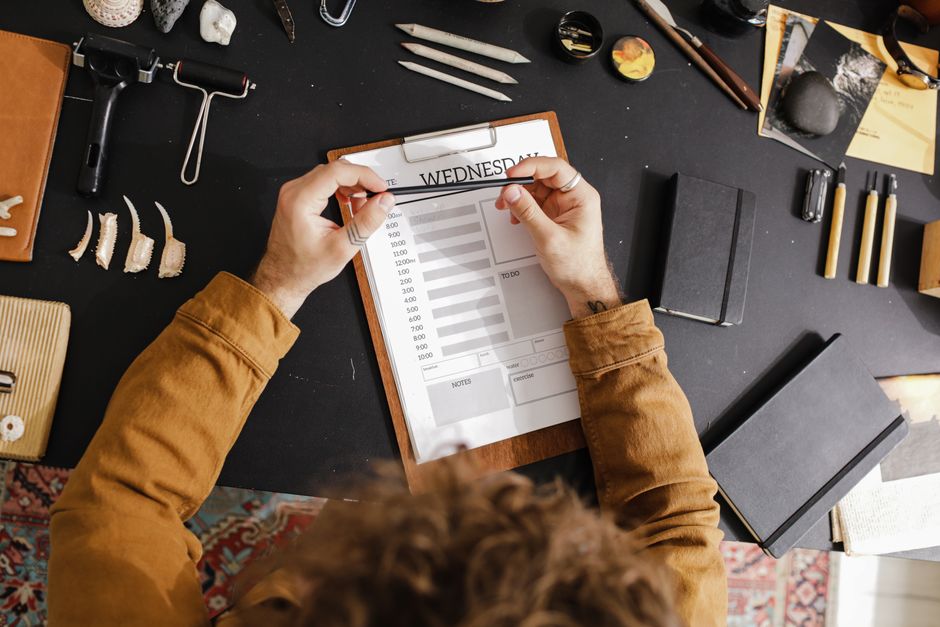
The entryway chair, usually a chaotic mix of clothes and bags, should instead hold neatly laid out clothes from the night before. This simple act saves precious minutes in the morning, allowing the remote worker to focus on the day ahead instead of scrambling for a suitable outfit. A quick glance at the planner, which remains stubbornly closed on the table, can help prioritize tasks, including the all-important time set aside for watching films later in the day.
As the morning unfolds, the worker should follow a structured sequence: first, check the weather to avoid any surprises, then grab the laid-out clothes, and finally, open the planner to confirm the evening film session. Each of these steps builds momentum, creating a smoother transition into the day. However, if the weather check is skipped, it can lead to a scramble for an umbrella or a last-minute change of clothes, derailing the carefully laid plans.
By establishing a specific time for watching films after work, the remote worker can create a consistent habit that feels rewarding rather than an afterthought. The expectation of winding down with a film becomes a motivating factor throughout the day, but this hinges on a well-executed morning routine. The stakes are clear: without these small adjustments, the commitment to watching films with intention can easily slip away, overshadowed by the chaos of a late start.
Waking up late can throw a remote worker's entire morning routine into disarray. As the clock ticks, the pressure mounts to skip essential rituals like laying out clothes and checking the planner. Instead of a smooth start, the worker finds themselves rushing to grab whatever is on the entryway chair, often leading to mismatched outfits or even forgotten essentials. The planner, which sits closed on the table, becomes a silent witness to the chaos, leaving the worker disorganized and unprepared for the day ahead.
One of the first things to go when time is short is the weather check. This small but crucial step can easily be overlooked in the scramble to get out the door. Without it, the worker might step outside only to realize they’ve dressed inappropriately for the day’s conditions. A sudden downpour can force a last-minute change into wet clothes or a desperate search for an umbrella. This not only adds stress but also erodes the intention to unwind with a film later, as the worker is now preoccupied with the discomfort of their morning choices.
As the worker prepares to leave, a quick check of the planner could serve as a crucial checkpoint. Opening it to confirm the evening film session can help refocus intentions and remind them of the reward waiting at the end of the day. However, if this step is skipped, the likelihood of the evening film becoming an afterthought increases significantly. The day’s chaos can easily overshadow the commitment to watching films with intention, making it feel like just another item on an already overwhelming to-do list.
The entryway chair, cluttered with yesterday's clothes and a half-packed bag, signals the chaos that often unfolds during late-start weekday mornings. A remote worker, in a rush to reset after a long night, may overlook crucial steps that derail their film-watching intentions for the evening.
Each of these pitfalls compounds the chaos of a late-start morning, creating a cycle that undermines the intention to unwind with a film later. The worker's day can quickly become a blur of distractions and missed checks, overshadowing the promise of an evening film session.
Setting a second alarm can be a game changer for remote workers who often find themselves oversleeping. Placing this backup alarm across the room forces you to get out of bed, breaking the cycle of hitting snooze. This simple action can create a more deliberate start to the day, especially when paired with a quick glance at your planner, which should be opened and ready on the entryway chair. Having it visible reminds you of your intentions for the evening, like watching that film you’ve been looking forward to.
Preparing your outfit the night before also streamlines the morning routine. By laying out weather-appropriate clothes on the chair, you eliminate the need to scramble through your wardrobe at the last minute. This small adjustment not only saves time but also reduces the chance of missing a weather check, which can lead to a last-minute dash for a jacket or umbrella. A quick morning checklist, perhaps pinned to the wall near the door, can serve as a final reminder to grab essentials like your keys and notebook. This way, as you reset your bag, you can ensure everything is in place before heading out, setting a smoother tone for the day ahead.
A slightly different version of this problem appears in Everyday Life In The, where the sequence changes but the hidden drag feels familiar.
As you stand by the entryway chair, ready to head out, take a moment to glance at your planner. It’s open, but the day’s priorities are still clouded by the rush of a late start. This simple act of checking not only reminds you of the tasks ahead but also reinforces your intention to carve out time for that film later. Without this quick review, it’s easy to let the day’s chaos overshadow your evening plans.
Before grabbing your bag, do a double-check. Is your notebook tucked inside? Are your keys in the designated bowl on the table? This quick inventory can save you from the frustration of a forgotten item halfway through your commute. The routine often breaks down when you skip this step, leading to a frantic search at the last minute. Remember, the entryway is your launchpad; it sets the tone for the day.
Finally, take a deep breath as you prepare to step out. Reset your intentions in this brief pause. You’re not just heading to work; you’re setting the stage for an evening of intentional film-watching. A moment of mindfulness here can help you transition from the chaos of a late start to a day that still allows for your personal goals. This check, though small, can be the difference between drifting through the day and staying anchored to your evening plans.
If this pattern keeps repeating, Daily Routines Real Life extends the idea without leaving the niche.
When the morning routine is reset, the evening opens up. A simple adjustment like laying out your clothes the night before can free up precious minutes in the morning. Instead of rummaging through the closet, you can grab your outfit and focus on a smooth transition to the day. This small act shifts your mindset from chaos to organization, allowing you to approach your tasks with a clearer head.
As you prepare to leave, take a moment to check your planner, ideally positioned on the entryway chair. With the planner open, you can visualize your day’s priorities, ensuring nothing slips through the cracks. This practice not only reduces stress but also builds a sense of accomplishment that carries through to your evening. Knowing you’ve tackled your responsibilities makes the prospect of winding down with a film feel more rewarding.
When you arrive home, the difference is palpable. With a more structured day, you can settle in with your favorite film without the nagging feeling of unfinished tasks. You’ll find yourself more relaxed, ready to engage with the story rather than distracted by the day’s remnants. Each intentional film-watching session becomes a well-deserved reward, reinforcing the habit and making it easier to repeat the next day.
As you navigate your morning routine, remember that small adjustments can significantly impact your film-watching intentions. If you find yourself rushing out the door without checking the weather, consider placing your phone on the entryway chair next to your planner. This simple move prompts you to glance at the forecast before you grab your keys, preventing the all-too-common scramble for an umbrella later in the day. Each time you lay out your clothes the night before, you set the stage for a smoother start, allowing you to focus on your day instead of last-minute decisions.
Ultimately, the friction points in your routine often stem from missed checks and unpreparedness. By making a habit of checking your planner and the weather as you prepare to leave, you create a more structured morning that supports your goal of watching films with intention. The next time you find yourself at the door, take a moment to check that planner; it could be the difference between a chaotic day and a fulfilling evening spent enjoying your favorite films.
Comments
Post a Comment